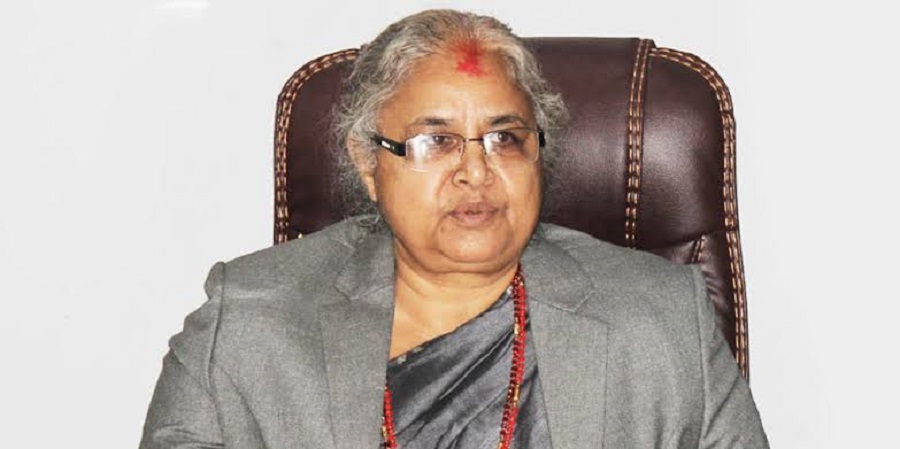
Kathmanu: Dr. Bijuli Prasad Timsina, a distinguished Ayurvedic physician from Nepal and a noted expert in medicinal herbs, has been honoured with the prestigious “NPCECC Sir M. Visvesvaraya World Ozone International Envi Fest Award–2026” in recognition of his contribution to Ayurveda, medicinal plants, environmental awareness and social service.
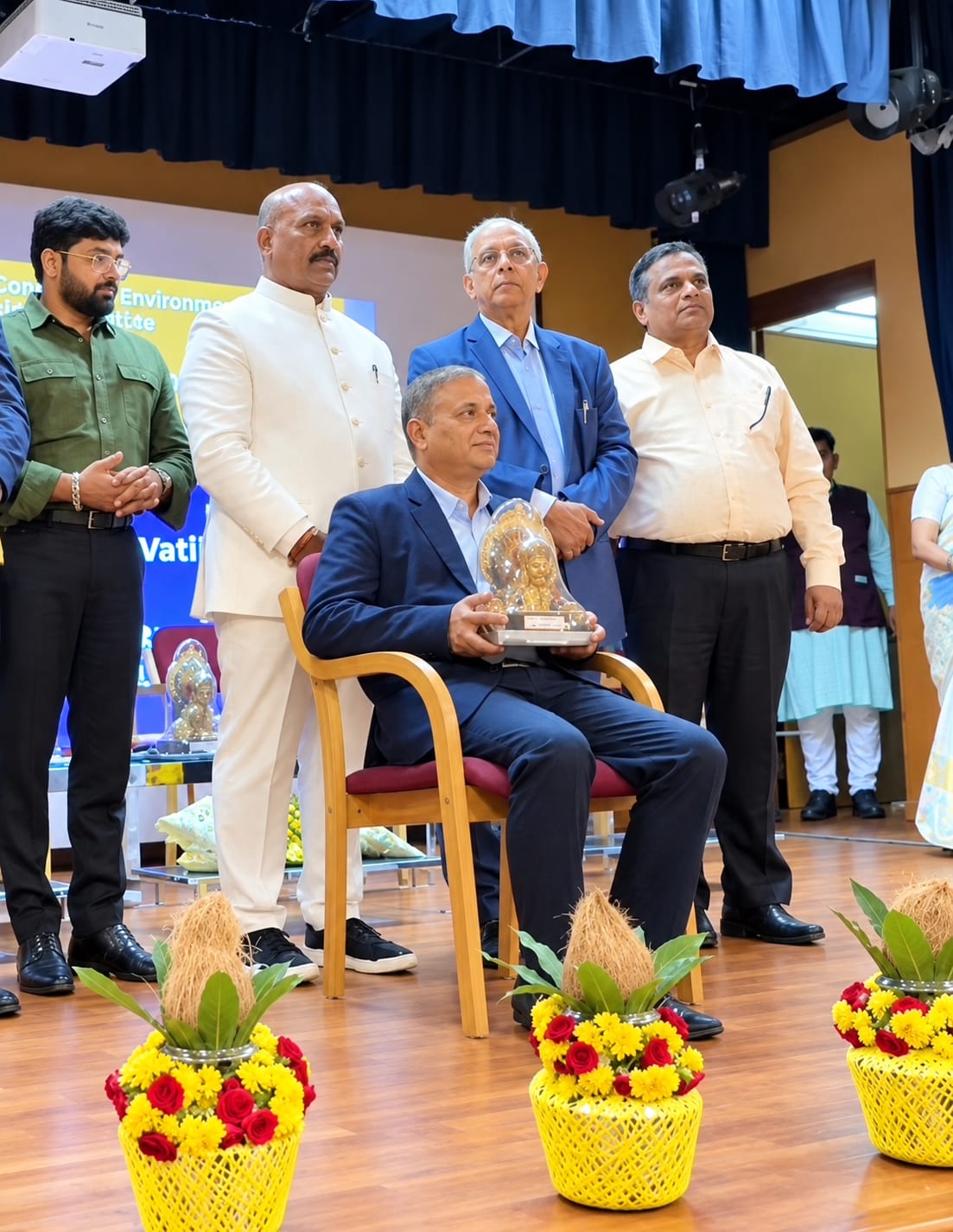
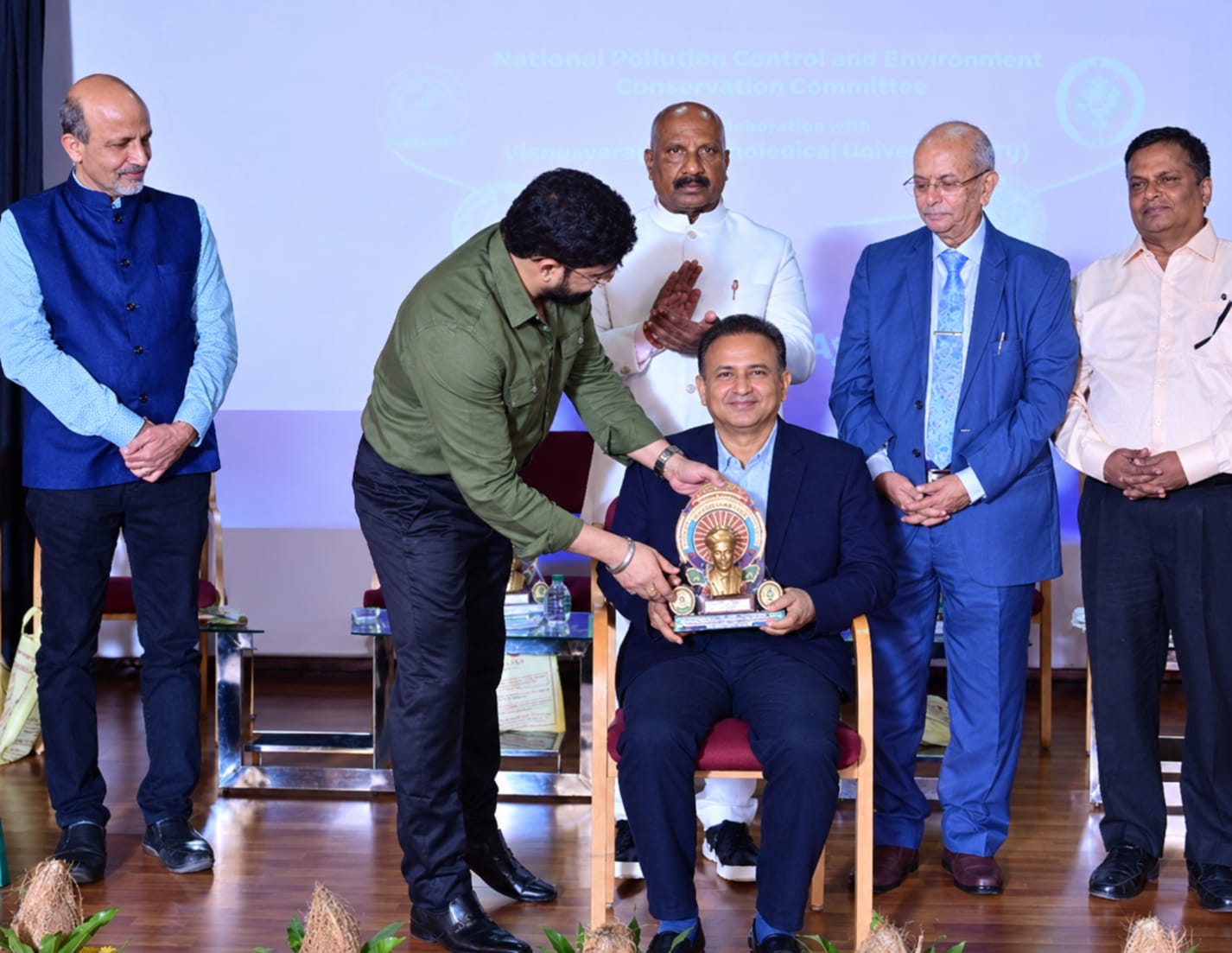
The award was presented during a special international programme held on 16 September 2026 at the Visvesvaraya Technological University (VTU) campus, Nagarabhavi, Bengaluru, Karnataka, as part of the World Ozone Day and Ayur Vatika–2026 celebrations. The programme was organised by the National Pollution Control and Environment Conservation Committee (NPCECC) in collaboration with Visvesvaraya Technological University.
Dr. Timsina’s recognition is particularly significant because his professional work connects two closely related areas—traditional Ayurvedic medicine and conservation of nature. With extensive knowledge of Nepal’s medicinal plants and herbs, he has advocated the responsible conservation and use of natural resources for the benefit of human health as well as the environment.
According to his professional profile, Dr. Timsina is an Ayurvedic physician with expertise in Ayurveda, treatment planning and orthopaedic care. He has worked with Ayurvedic hospitals and healthcare institutions and has been involved in patient care, diagnosis, treatment planning, medical examinations and traditional herbal practices.
Dr. Timsina has received recognition at both national and international levels. His profile records several honours, including the Thames International University for Traditional Herbal Medicine recognition, the Asia Pacific Education Summit and Awards 2023, the Asia Iconic Award 2023, and recognition by the World Book of Records, London, as a Senior Ayurvedic Physician.
The latest honour at Bengaluru adds another international distinction to his professional journey. The NPCECC invitation letter dated 8 August 2026 states that the organisation selected Dr. Timsina for the prestigious award in recognition of his service to society and the environment.
The invitation explains that NPCECC is an international non-governmental organisation working to create awareness among decision-makers, influencers and the public about environmental pollution and conservation. The organisation also publishes Environment Pollution, a publication dealing with environmental crises, policies, projects, research and developments involving scholars and environmentalists.
The 2026 programme also marked an important milestone for the organisation—the completion of 25 years of publication of Environment Pollution. A special 25th-year issue of the magazine was released on the occasion of World Ozone Day and Ayur Vatika–2026.
A gathering of international personalities
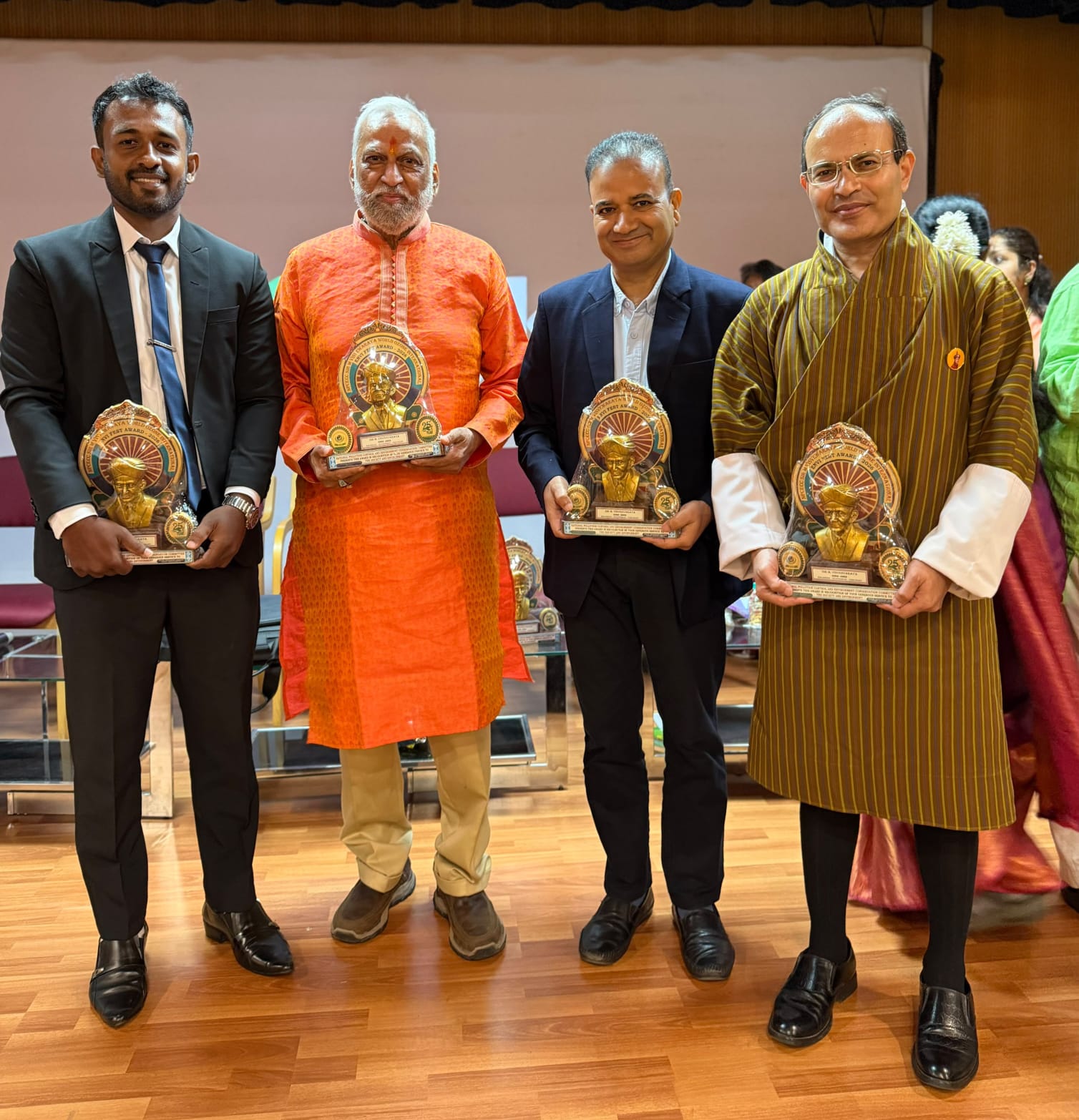
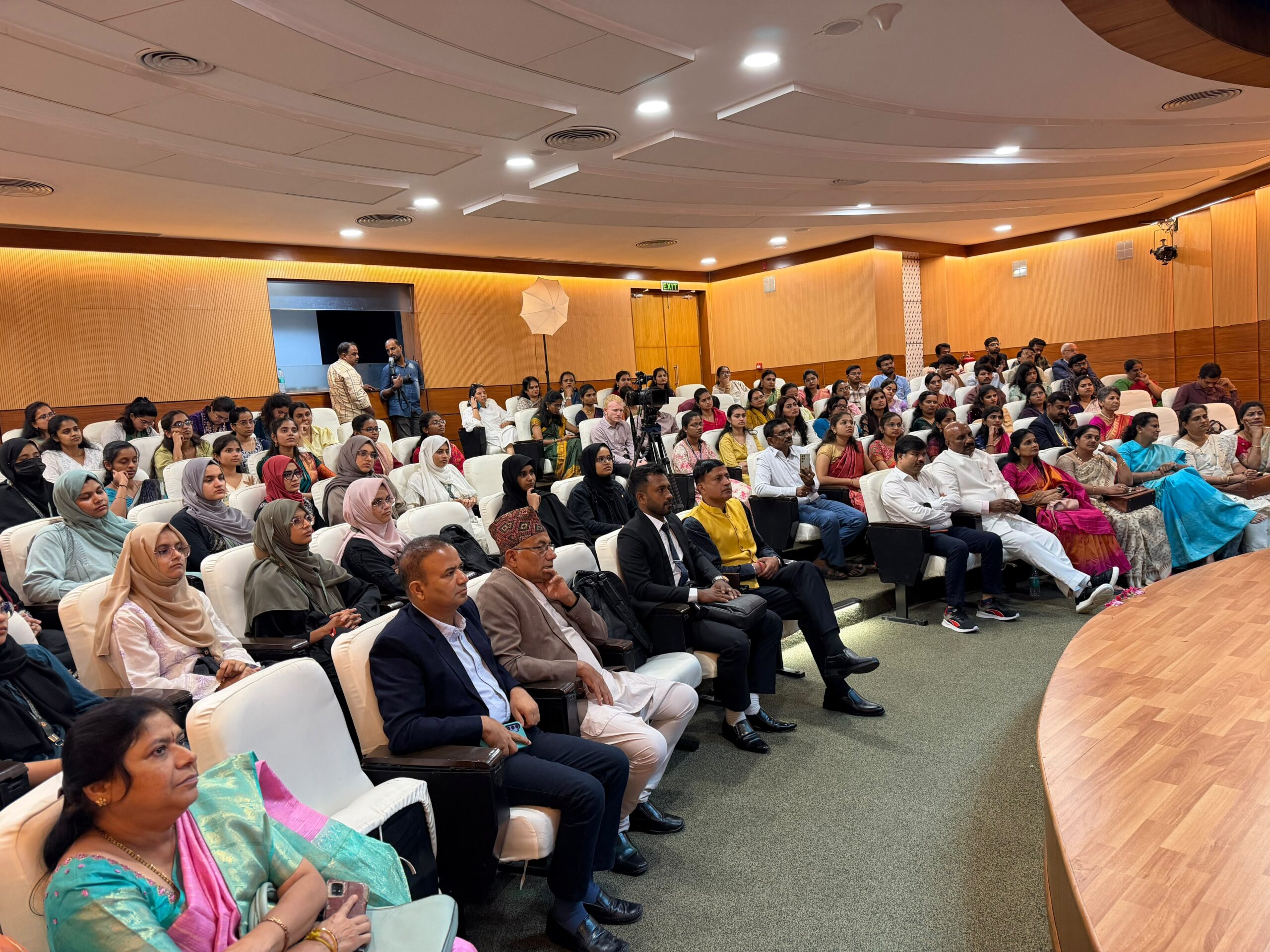
The Bengaluru programme brought together distinguished personalities from India, Nepal, Bhutan, Sri Lanka and the Netherlands, according to the event information. Senior representatives from universities and academic institutions, including university vice-chancellors and other senior officials, were also present.
Representatives associated with the Government of India and the Government of Karnataka were among the distinguished participants at the programme, making the event an important platform for discussions involving environment, education, Ayurveda, traditional medicine and sustainable development.
The presence of academics and senior institutional representatives also reflected the growing interest in traditional knowledge systems and their relationship with modern environmental conservation.
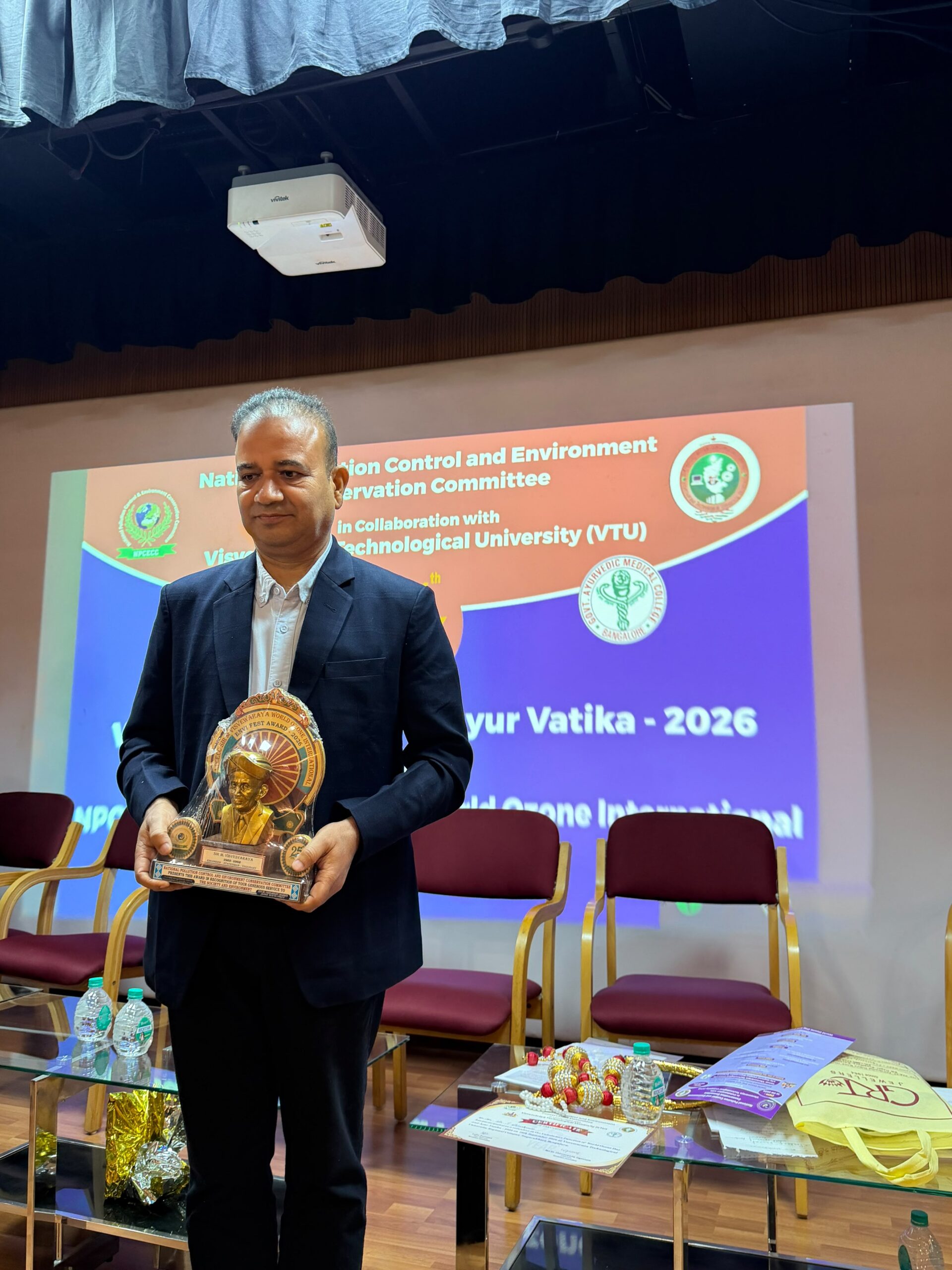
Dr. Timsina received the award in a formal ceremony and was photographed holding the commemorative trophy. The award trophy prominently carries the name of Sir M. Visvesvaraya, one of India’s renowned engineers and statesmen, and reflects the event’s emphasis on knowledge, innovation, public service and environmental consciousness.
Knowledge of Nepal’s medicinal herbs
One of the notable aspects of Dr. Timsina’s professional identity is his extensive knowledge of Nepal’s medicinal herbs and traditional herbal resources. He is described as having knowledge of more than 6,500 varieties of Nepali medicinal herbs, an area of traditional knowledge with considerable importance for Ayurveda and biodiversity conservation.
Nepal is home to a remarkable diversity of medicinal plants because of its wide geographical range, extending from the Terai plains to the Himalayan region. Many plants traditionally used in Ayurveda and other indigenous systems of medicine grow in Nepal’s forests, hills, high-altitude regions and wetlands.
Dr. Timsina has emphasised that the protection of medicinal plants should not be viewed only as an agricultural or commercial issue. It is also an important part of environmental conservation and public health.
Speaking during the programme, Dr. Timsina highlighted the connection between medicinal herbs, human health and nature. He explained that protecting medicinal plants can contribute to the preservation of biodiversity while simultaneously supporting the availability of natural resources used in the treatment of various health conditions.
He further emphasised that the destruction of natural habitats can lead to the disappearance of valuable medicinal plants. Therefore, conservation, scientific documentation, sustainable harvesting and responsible utilisation are essential for preserving traditional knowledge for future generations.
Ayurveda and environmental conservation
Dr. Timsina’s message at the Bengaluru programme centred on an important principle: human health and environmental health are interconnected.
Ayurveda has traditionally placed strong emphasis on harmony between human beings and nature. Medicinal plants constitute an important component of Ayurvedic practice, while healthy ecosystems provide the natural resources necessary for their continued availability.
For this reason, Dr. Timsina believes that the promotion of Ayurveda should go hand in hand with the conservation of forests, medicinal plants, water sources and biodiversity.
His perspective also gives environmental conservation a practical dimension. Protecting medicinal plants can help preserve ecosystems, support traditional communities and maintain resources that may have therapeutic value.
At a time when environmental degradation, climate change, habitat loss and declining biodiversity are receiving increasing global attention, the integration of traditional ecological knowledge with modern conservation efforts has become an important subject of discussion.
Dr. Timsina’s educational background includes B.A.M.S. studies at Babasaheb Ambedkar Bihar University, Muzaffarpur, India, as well as studies at Mahendra Campus, Saptari and Mahendra Morang Multiple Campus, Biratnagar. He has pursued his professional career in Ayurveda and traditional medicine.
His professional profile lists leadership and service associated with institutions including Pathivara Ayurvedic Hospital in Kathmandu, Sapta Gandaki Ayurvedic Hospital in Jhapa, Siminachi Pathibhara in Butwal and Mata Pathibhara in Jhapa.
His work has involved patient assistance, diagnostic observation, treatment planning, medical procedures and the practical application of Ayurvedic knowledge.
Beyond his clinical and professional activities, his profile also records extensive international exposure. He has travelled to countries including Germany, Switzerland, Denmark, Turkey, Norway, Spain, France, Jordan, Australia, the United Arab Emirates, Malaysia, Thailand, Georgia, Qatar, Indonesia, Oman, East Timor, Palau, Sri Lanka and India, among others, for professional exposure, seminars, training programmes and health-related events.
Recognition for a broader mission
The Sir M. Visvesvaraya World Ozone International Envi Fest Award–2026 therefore represents more than a professional honour for Dr. Timsina. It recognises a broader approach that brings together Ayurveda, medicinal plants, traditional knowledge, environmental conservation and public awareness.
For Nepal, his recognition also highlights the potential of the country’s rich medicinal-plant heritage on an international platform. Nepal possesses significant biodiversity and a long tradition of herbal knowledge, and professionals such as Dr. Timsina can contribute to greater awareness of this heritage.
The award ceremony in Bengaluru has consequently become another milestone in Dr. Bijuli Prasad Timsina’s professional journey. His message—that conserving medicinal plants simultaneously supports human health, biodiversity and nature itself—provides a bridge between traditional Ayurvedic wisdom and contemporary environmental concerns.
As Ayurveda continues to attract international attention, the sustainable conservation of the natural resources on which traditional medicine depends will remain an important challenge. Dr. Timsina’s recognition at the international Envi Fest in Bengaluru places his work within this wider conversation, highlighting the importance of preserving Nepal’s medicinal heritage while protecting the natural environment for future generations.