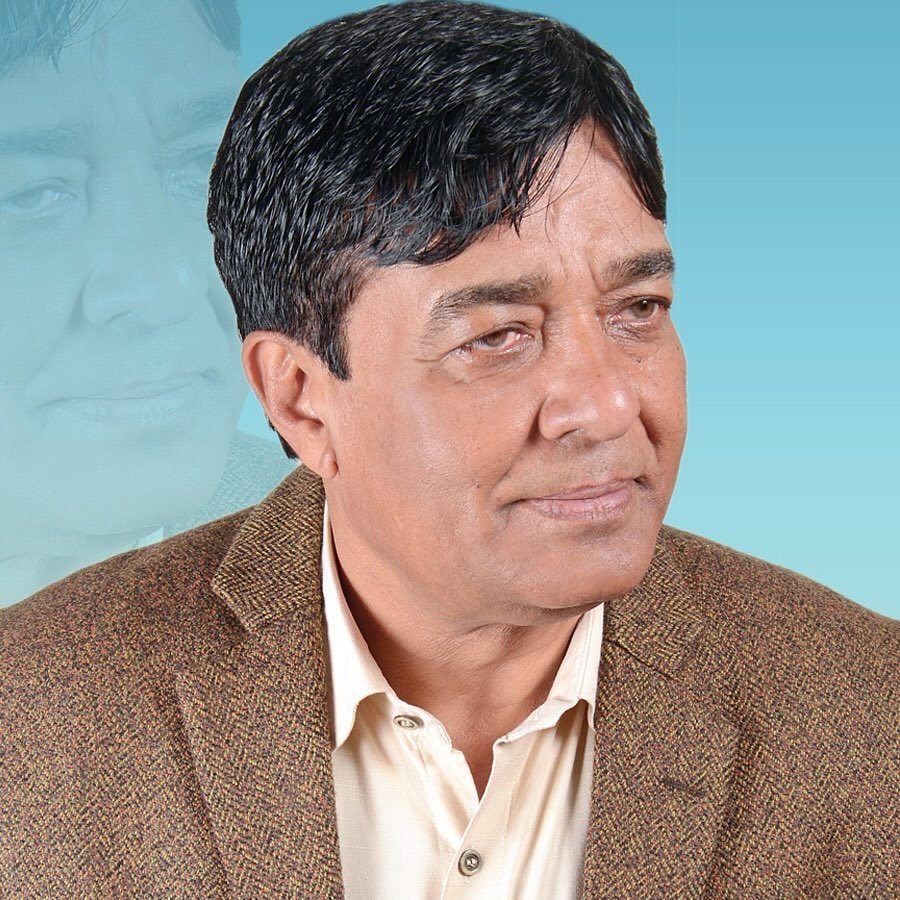
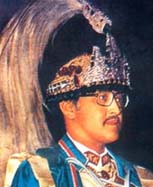
Fig: Late King Birendra
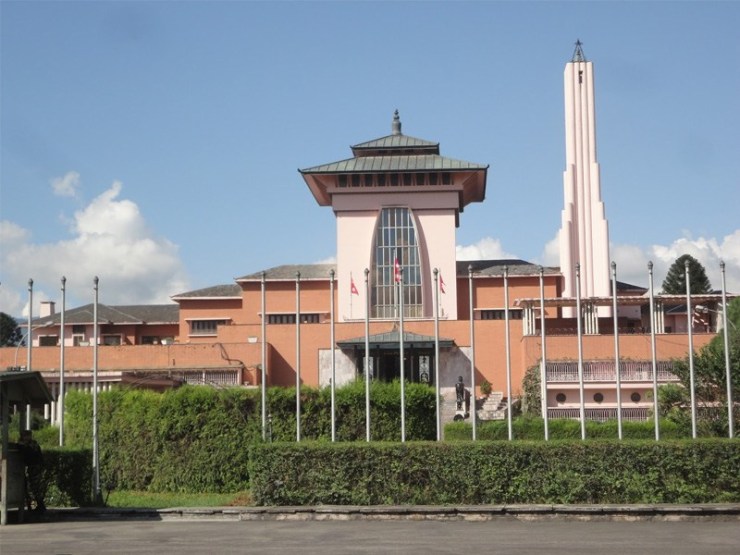
In 2008, Nepal closed the chapter on its centuries-old monarchy and declared itself a federal democratic republic. This moment marked a major turning point in the country’s history. Yet, more than a decade later, the debate seems far from over. As political instability continues, and public frustration grows, a rising number of voices — especially from the youth — are once again asking: Do we need a king again? Is monarchy a better path for Nepal, or is democracy the future we must continue to fight for?
- .From Monarchy to Republic: A Quick Recap
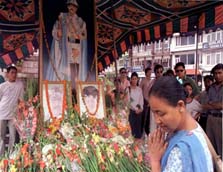
Nepal remained a monarchy for over 240 years, with kings ruling as the head of state and sometimes even as absolute rulers. While many remember King Birendra as a beloved and peaceful monarch, the 2001 Royal Massacre, followed by King Gyanendra’s power grab in 2005, changed public opinion drastica lly.
Following a decade-long Maoist insurgency that claimed over 17,000 lives, and the 2006 People’s Movement (Jana Andolan II), the monarchy was officially abolished in 2008. The country adopted a new constitution in 2015 and became a federal republic — the first of its kind in South Asia.
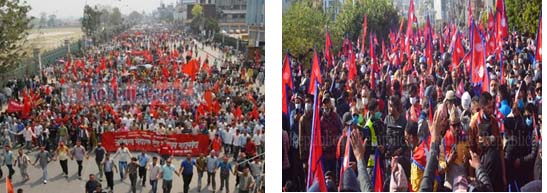
Fig: Jana Andolan II
- Why Are People Demanding the King’s Return?
Frustration is growing. In the last 15 years, Nepal has had 13 different governments, and none of them have been able to offer consistent governance, employment opportunities, or economic growth.
A 2022 opinion survey by Nepal Center for Contemporary Research (NCCR) showed that 32% of respondents — mostly from the youth demographic — said they would support a constitutional monarchy if it meant better stability and unity.
Here’s what’s fueling the monarchist sentiment:
- Political Instability
Since 2008, Nepal has had 13 different governments in 15 years, averaging barely a year per administration. The instability has paralyzed policy implementation and long-term planning.
- 2. Rising Corruption
Nepal ranks #108 out of 180 countries on Transparency International’s Corruption Perceptions Index 2023, reflecting growing distrust in elected leaders. Scandals like the Fake Bhutanese Refugee Scam and Lalita Niwas land grab have intensified public anger.
Source: Transparency International (2023)
- 3. Social Media Surge
Hashtags like #BringBackTheKing and #HinduRastraNepal trend frequently on TikTok and Twitter (X), with videos getting millions of views, especially among the 18–30 age groups.
- Why Others Oppose Monarchy’s Return
Despite the dissatisfaction, many firmly believe that going back to monarchy is not the solution. After all, the monarchy had its own share of failures:
- Lack of accountability: The king was above the law.
- Suppression of dissent: Media and political freedom were limited during royal rule.
- Exclusionary system: Minority groups and marginalized communities had little say.
Democracy, they argue, may be messy, but it gives people a voice. What we need is reform within the current system, not a reversal of progress.
As one political science professor from Tribhuvan University puts it, “The problem isn’t democracy itself — the problem is weak leadership and lack of political culture.”
- The Youth Factor
Interestingly, the rise of monarchist sentiment is most visible among the youth — especially those who never experienced royal rule. Influencers on TikTok, Instagram, and YouTube are glorifying the “golden days” of the monarchy, often overlooking the complexity of that era.
This digital nostalgia is supported by the recent rise of the Rastriya Prajatantra Party (RPP), which gained 14 seats in the 2022 general elections, its best performance in years.
- So, What Does Nepal Really Need?
The question isn’t just monarchy vs. republic. It’s about what kind of leadership, accountability, and future direction the people want. Nepal is currently facing a trust crisis, not necessarily a system crisis. The youth, who make up 40.68% of the total population (CBS Census 2021), are caught between hopelessness and idealism. They demand better governance, not just symbolic change. While monarchy supporters gain momentum, democratic voices also push for reforms through civil society movements and advocacy. This tug-of-war reflects deeper issues like unemployment, poor education quality, and urban frustration.
Monarchy may bring a symbolic sense of unity — but will it solve corruption, unemployment, or education problems? Unlikely. At the same time, democracy in Nepal cannot survive on paper alone — it needs responsible leaders and active, informed citizens.
- Looking Ahead
Nepal stands at a crossroads—between nostalgia and progress, between frustration and hope. The demand for monarchy may grow louder, but the solution lies not in looking back, but in fixing what’s broken now.
Instead of asking, “Should we bring back the king?” perhaps we should be asking, “How do we make democracy work better for everyone?”
References
- Election Commission of Nepal. (2022). General Election Result Booklet. https://election.gov.np
- Transparency International. (2023). Corruption Perceptions Index. Retrieved from: https://www.transparency.org
- Central Bureau of Statistics (CBS). (2021). National Population Census 2021. Government of Nepal.
- UNDP Nepal. (2022). Inclusive Governance in Federal Nepal. United Nations Development Programme.
- International Crisis Group. (2007). Nepal’s Fragile Peace Process. Asia Report No. 126.
- DataReportal. (2024). Digital 2024: Nepal. Retrieved from: https://datareportal.com
- Transparency International (2023)
- Election Commission of Nepal, Government Records (2023)
- https://www.google.com/search?sca_esv=dedfb9fe9f72d652&sxsrf=AHTn8zoAC9o3n6EaeiYLIn2CaN_5S47a1Q:1743981475451&q=monarchy+king+birendra+photo&uds=ABqPDvztZD_Nu18FR6tNPw2cK_RRIuM809sakZkHUv2wx3-Casvz3wh