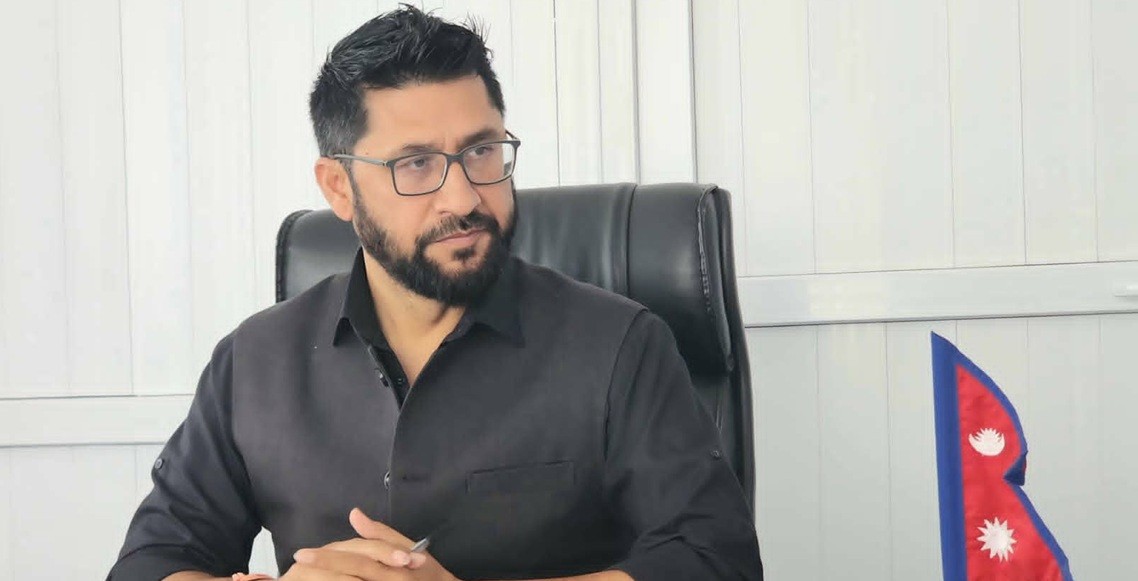
The sukumbasi problem has remained one of Nepal’s most serious social and political challenges for decades. Across the country, thousands of landless and low-income families have settled on riverbanks, public land, forest areas, and unmanaged urban spaces because of poverty, migration, unemployment, natural disasters, and the lack of affordable housing. Previous governments often promised solutions, but long-term reform remained weak and inconsistent. Under the leadership of Balen Shah, however, the government has taken stronger action against illegal encroachment and unmanaged settlements, making the sukumbasi issue one of the most debated national topics in recent years. While many citizens praise the government for enforcing law and protecting public land, others question whether the actions are creating humanitarian risks for vulnerable families. As a result, the debate is no longer only about illegal occupation, but also about how Nepal should balance development, law, and human dignity.
Supporters of the Balen Shah government believe that strict action against encroachment is necessary for Nepal’s future development. For many years, illegal occupation of public land expanded because earlier governments failed to enforce laws properly. Riverbanks, roadsides, and government-owned land gradually became crowded with unmanaged settlements, making urban planning and environmental protection extremely difficult. Many citizens argue that if public land continues to be occupied illegally, the country will never achieve organized development. From this perspective, the government’s actions represent an effort to restore rule of law, discipline, and accountability after decades of political weakness and corruption.
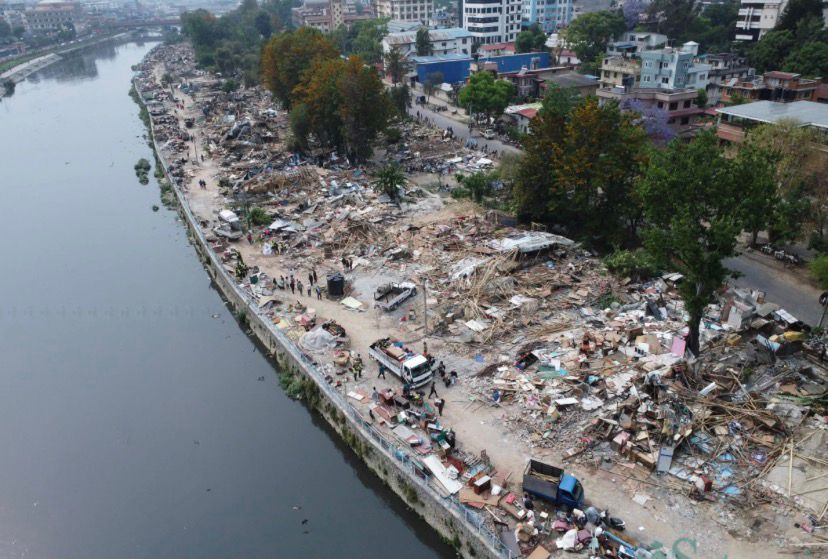
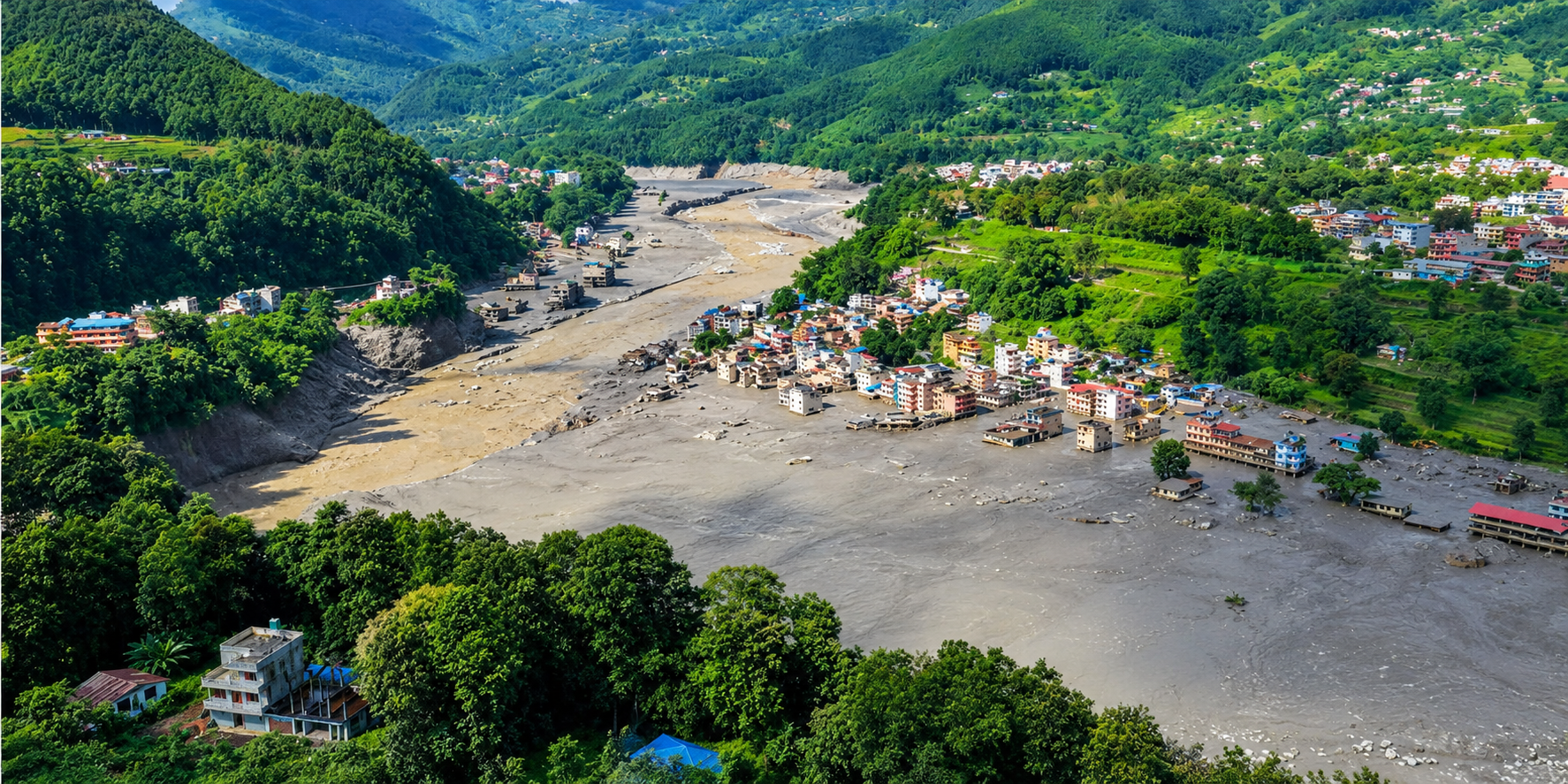
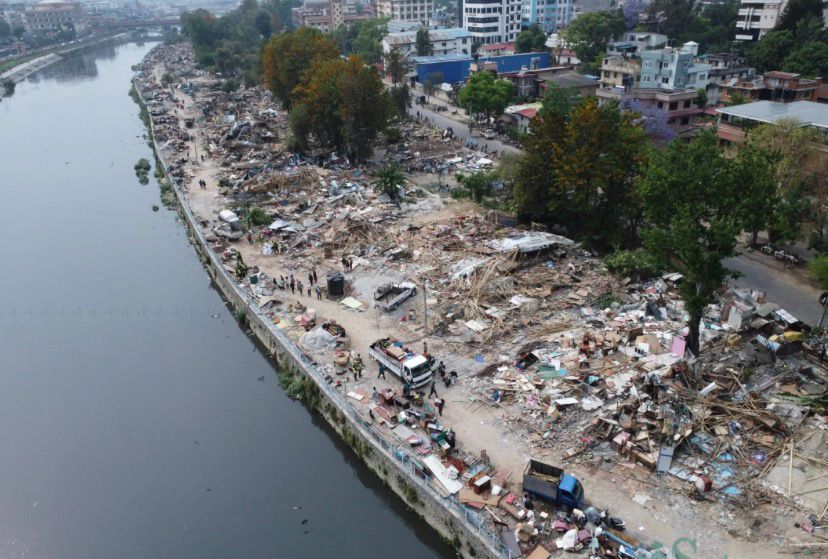
Environmental concerns are another major reason why many people support the government’s policies. Settlements along river corridors and unmanaged urban areas have contributed to pollution, waste dumping, blocked drainage systems, and increased flood risks. Nepal already faces serious environmental challenges, especially in rapidly growing cities and municipalities. Supporters argue that protecting riverbanks and public land is necessary not only for urban management but also for public safety and environmental sustainability. They believe that development cannot happen if illegal structures continue to expand without regulation.
Another reason for public support is the belief that earlier political parties often used the sukumbasi issue for vote-bank politics. Many governments promised land ownership and protection during elections but failed to create proper housing, employment, or land management systems. As a result, the problem continued to grow year after year. Many citizens therefore view the Balen Shah government as different because it appears more willing to take direct action instead of making only political promises. To supporters, these reforms symbolize a stronger and more disciplined style of governance.
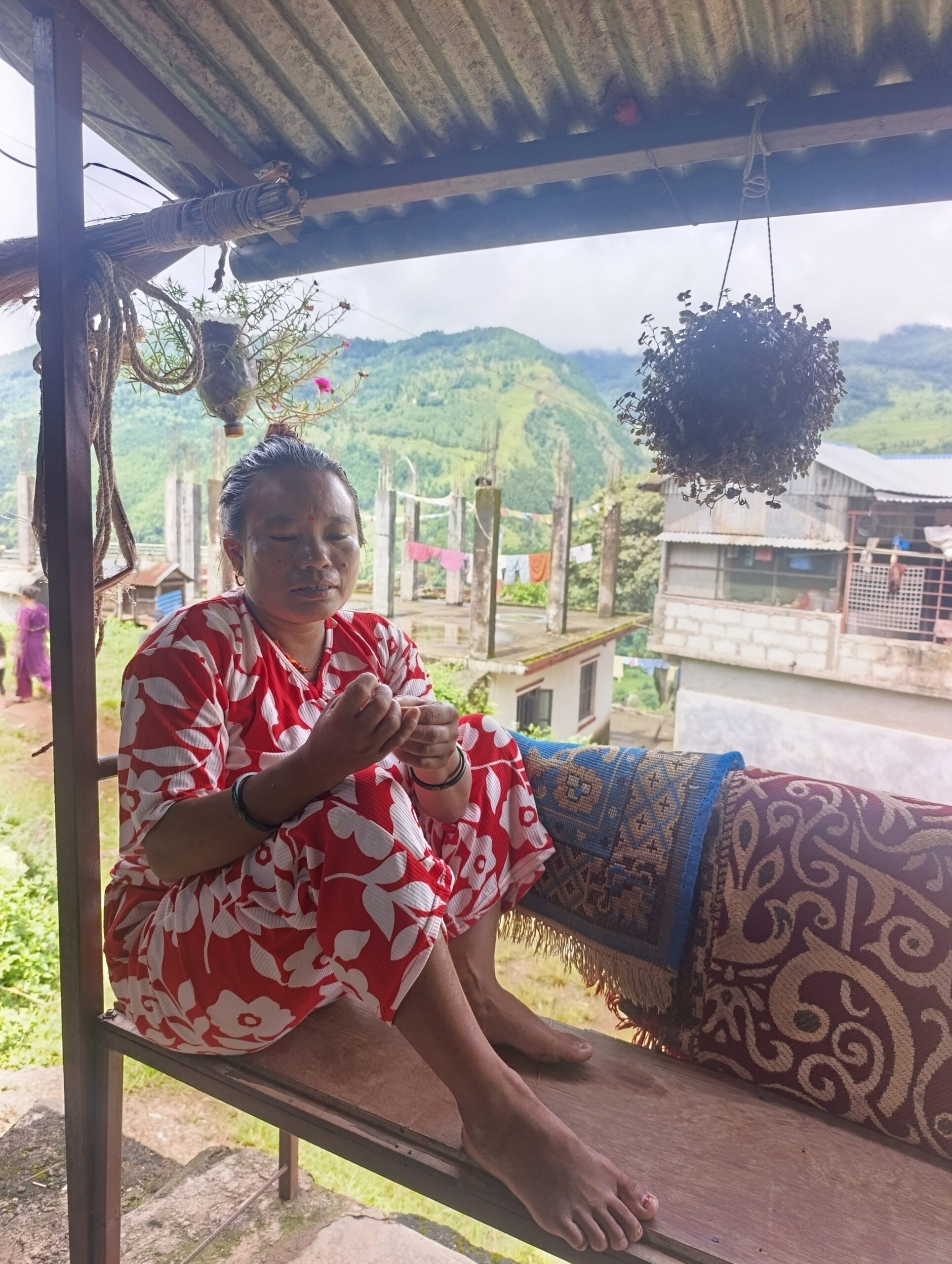
However, critics argue that the issue is far more complex than simply removing illegal settlements. Many sukumbasi families are genuinely poor and landless people who migrated from rural areas because of unemployment, conflict, debt, natural disasters, or lack of opportunities. For these families, informal settlements became the only option for survival. Human rights activists and social organizations argue that sudden removal of settlements can create severe humanitarian problems, especially for children, women, elderly citizens, and daily wage workers. Critics therefore believe that strict enforcement without proper rehabilitation may increase social inequality and suffering rather than solving the root problem.
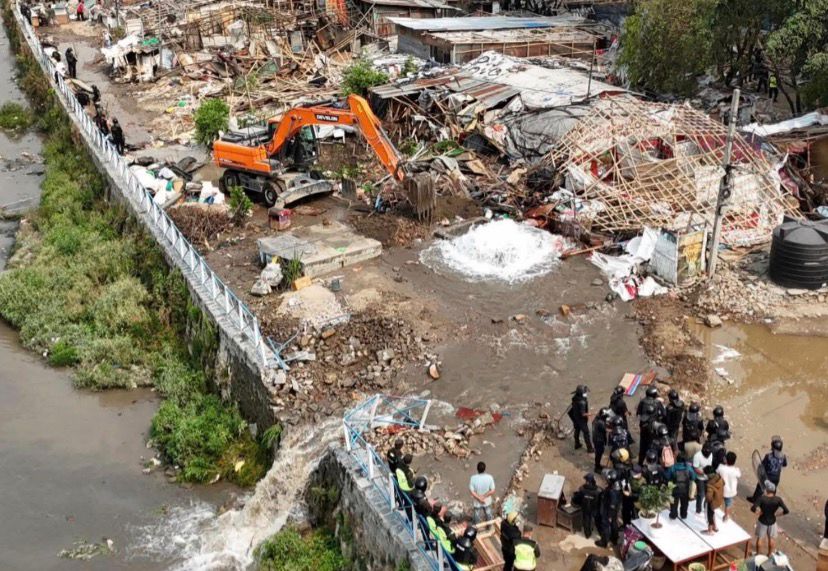
At the same time, supporters of the government argue that the administration has not completely ignored humanitarian concerns. In several cases, temporary shelter arrangements, food support, and short-term assistance were reportedly provided to affected families. Some displaced people were allowed temporary living support while broader management and rehabilitation plans were discussed. This has become an important argument in favor of the government because supporters claim that the administration is attempting to combine law enforcement with humanitarian responsibility rather than relying only on force. Nevertheless, critics still argue that temporary support alone is not enough without long-term housing and rehabilitation policies.
Another important issue within the debate is that not all people living in sukumbasi settlements have the same background. Some are genuinely landless and economically vulnerable, while others may misuse public land through political connections or informal land trading. This makes the problem more difficult to solve because the government must distinguish between those who genuinely need support and those who intentionally exploit weak governance systems. Without proper identification and fair investigation, innocent families may suffer alongside people who illegally benefit from public land occupation.
The sukumbasi issue also raises important constitutional and ethical questions. Nepal recognizes housing and dignity as important rights for citizens. International human rights principles similarly emphasize that governments should avoid forced displacement without consultation, relocation planning, or humanitarian support. Critics therefore argue that development policies must remain people-centered and socially responsible. On the other hand, supporters argue that protecting public land and enforcing law are also necessary responsibilities of the state. This creates a difficult challenge for the government because both legality and humanity must be considered together rather than separately.
Ultimately, the sukumbasi problem in Nepal cannot be solved only through demolition campaigns or temporary relief programs. The crisis is deeply connected to poverty, unemployment, migration, rising land prices, weak rural development, and decades of failed land reform. Long-term solutions require affordable housing programs, fair land distribution, employment opportunities, planned urban development, and transparent identification of genuine landless families. Without structural reform, the problem may continue even after settlements are removed from one location.
The Balen Shah government has brought national attention to a problem that previous governments often avoided or politicized. Its strong actions against illegal encroachment reflect growing public frustration with disorder, corruption, and weak law enforcement in Nepal. At the same time, the humanitarian concerns surrounding displaced families demonstrate that development policies cannot focus only on legality and infrastructure. Nepal’s future depends on whether the government can successfully combine strong governance with compassion, rehabilitation, and long-term social justice. The sukumbasi issue is therefore not simply a conflict between the government and settlers; it is a reflection of Nepal’s larger struggle to balance modernization, equality, and human dignity in a rapidly changing society.